Take Your Photography to the Next Level: The 20/60/20 Rule

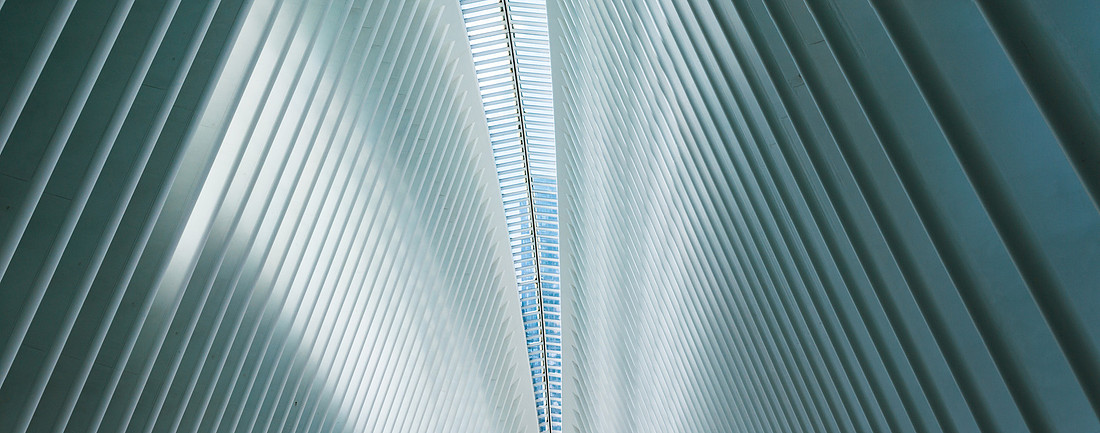

Have you heard of the 20/60/20 rule? It is a management analysis tool that assists you in better managing people, money or productivity.
In simple terms, the first 20 percent represents the "easy" portion: the employees that are top performers, the money you set aside for savings, the work that you can do easily and quickly.
The 60 percent is where the bulk of the work gets done: the solid employees who always meet standards; the working budget for your household; the work you get done using systems you already have in place.
The final 20 percent is where you are going to hit problems and will spend more time here correcting problems than you would like: the employees who don't get their job done, are disruptive or have a negative attitude; the overspending you justify and then put on a credit card; the new techniques that require you to accept you may fail at it, but hopefully you will learn from the failure.
So how can we apply this to photography?
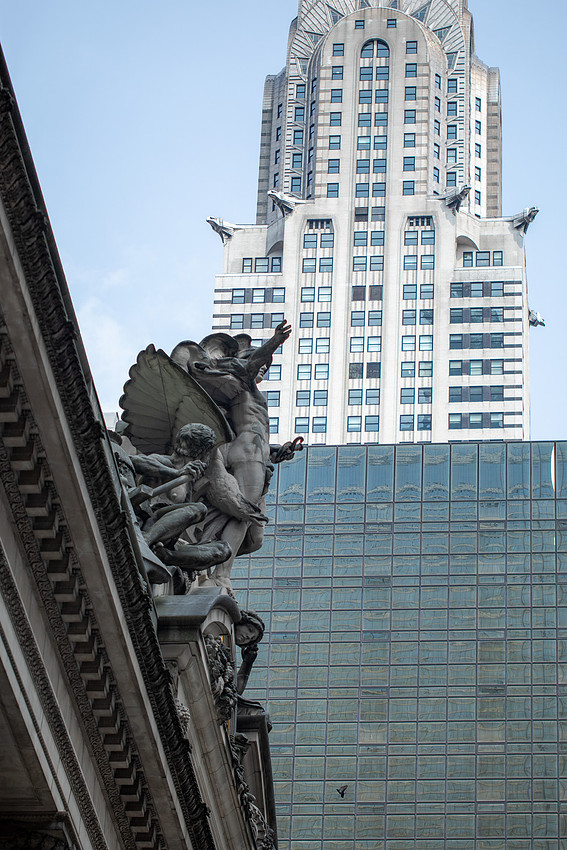
You are planning a day in NYC. The first 20% of the photos you take (throughout the day) are photos you could take on "auto". You might even take them on "auto". They are the safety photos and should look like postcards. They are so easy to capture they practically push the button themselves. Easy peasy photos.They are easy peasy because you have mastered the style and technique and you don't have to think about creating them. They will standout in the crowd.
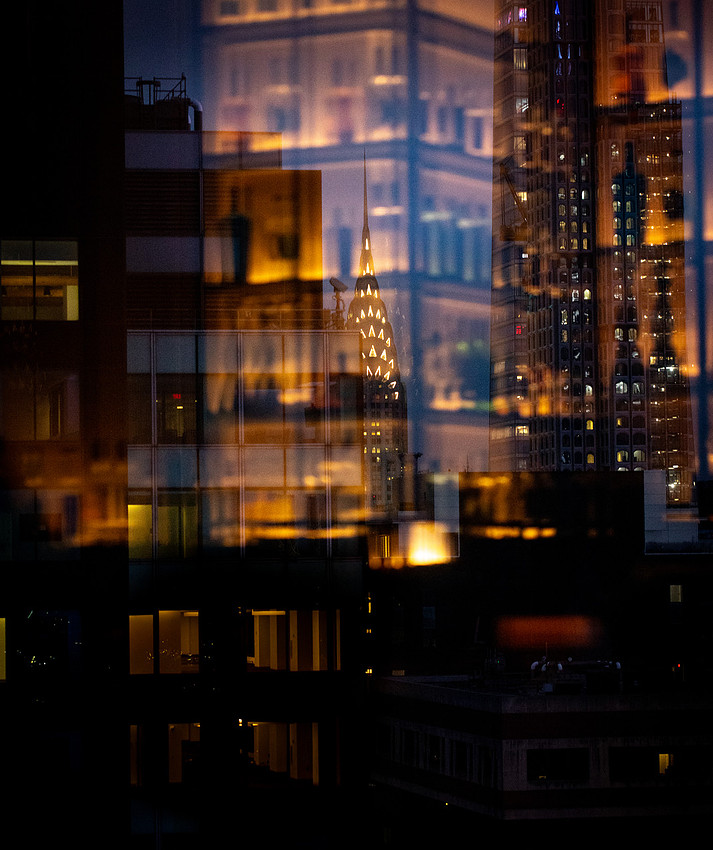
Next 60% of the photographs are the bulk of the work. They are shot in your style, using techniques you have either mastered or are spending the day exploring. Shortly before a 2025 trip into NYC, I saw a photograph of an in-camera multiple exposure of Tokyo at night. WOW!
So I headed into NYC with this image of Tokyo in my head wondering how many ways can I apply this technique. These photos and some street photography compose the bulk of my work from that trip.
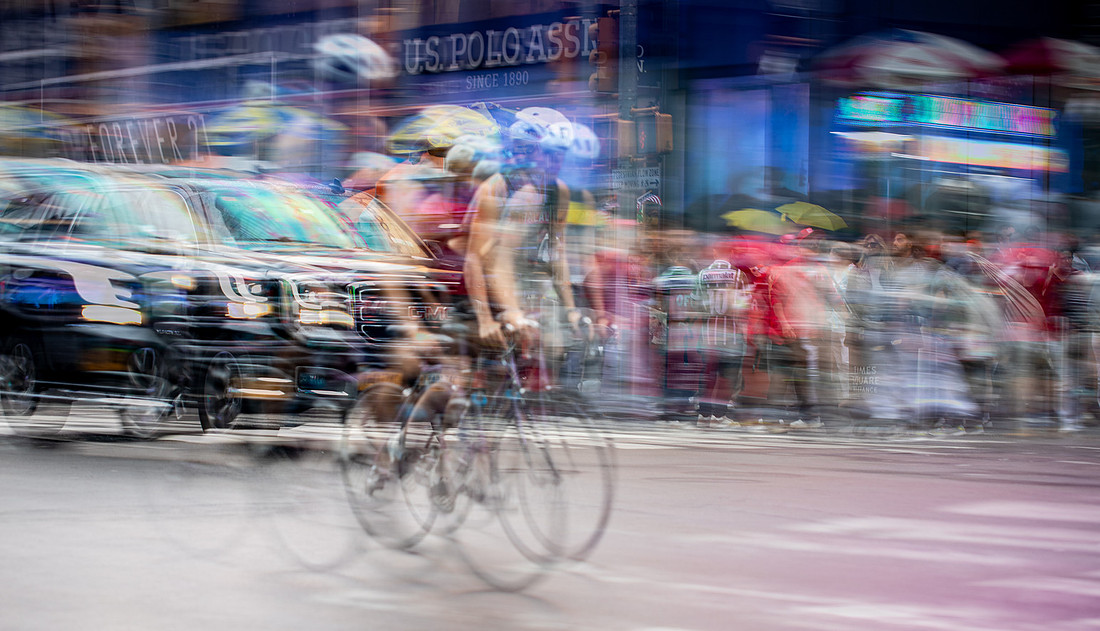
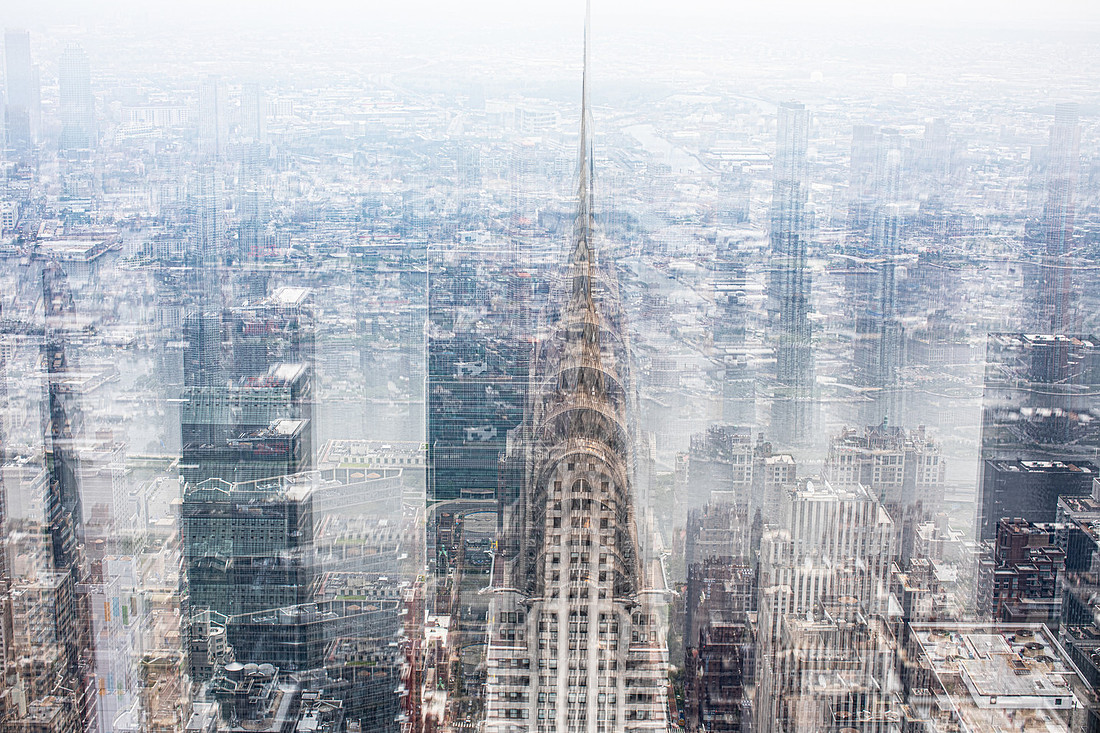
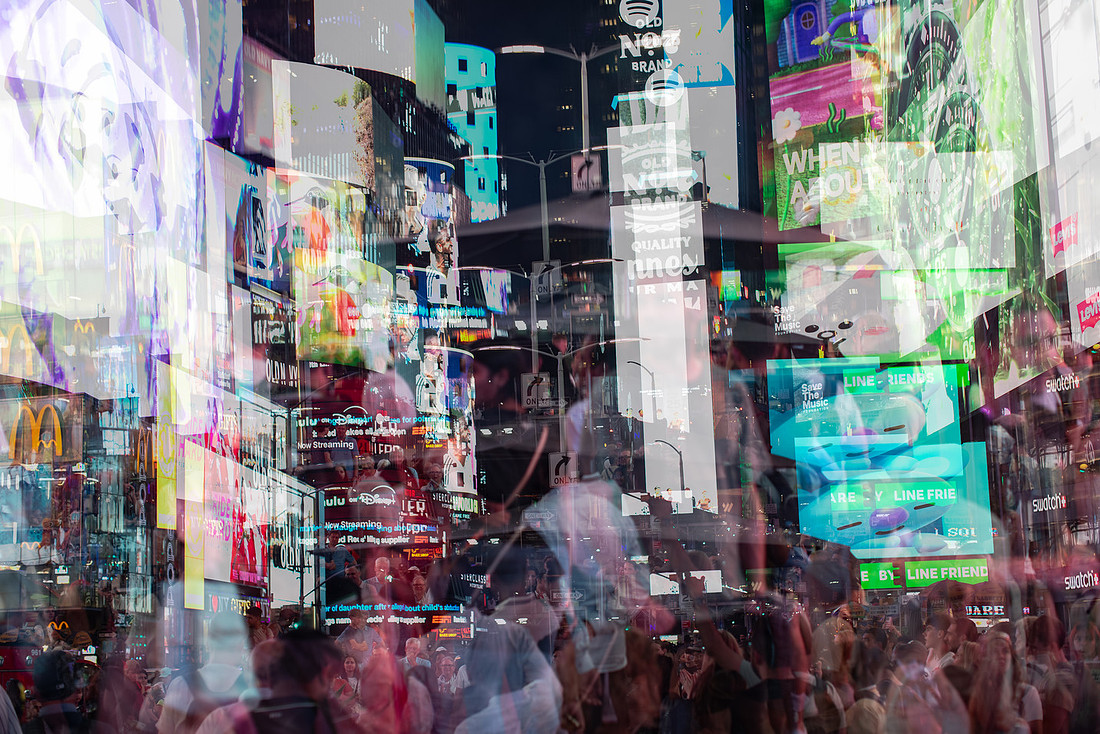
The last 20% are photos are experimental in nature. I call them the "What ifs?". A "what if" is that stray thought that flashes in your head. You recognize, even as you think it, that it is probably not a great idea.
Instead of dismissing it, why not take the shot? What is the worst that could happen?
The "what ifs" are also photos you take that you KNOW are going to take up a good bit of time in post production. Take them anyway. You have the option to invest time in them or not.
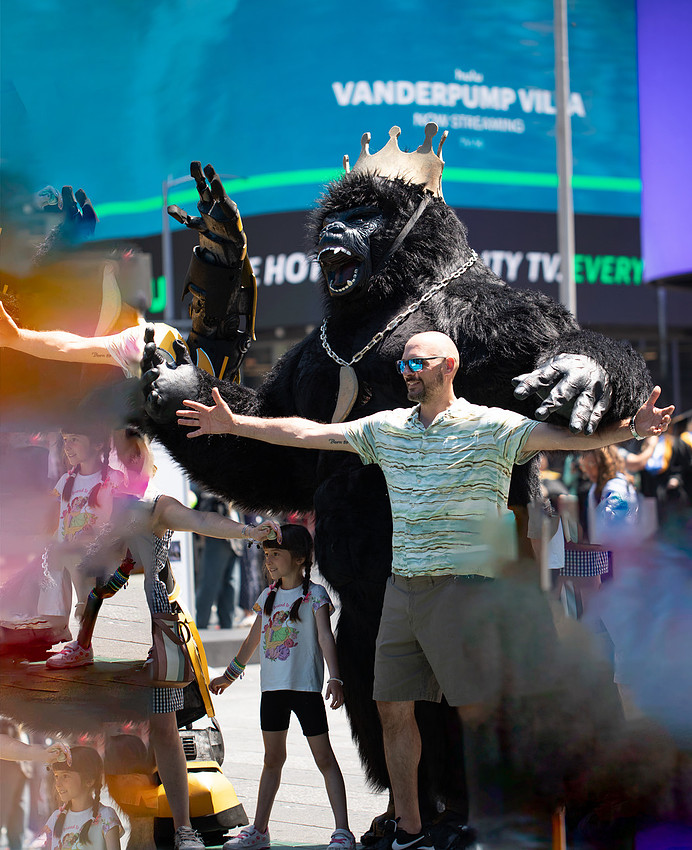
There were a lot of obstacles in this photo, like a garbage can and street poles. I took the shot anyway. In post, I used a hand created distortion to eliminate the obstacles and create a fun, Times Square photo.
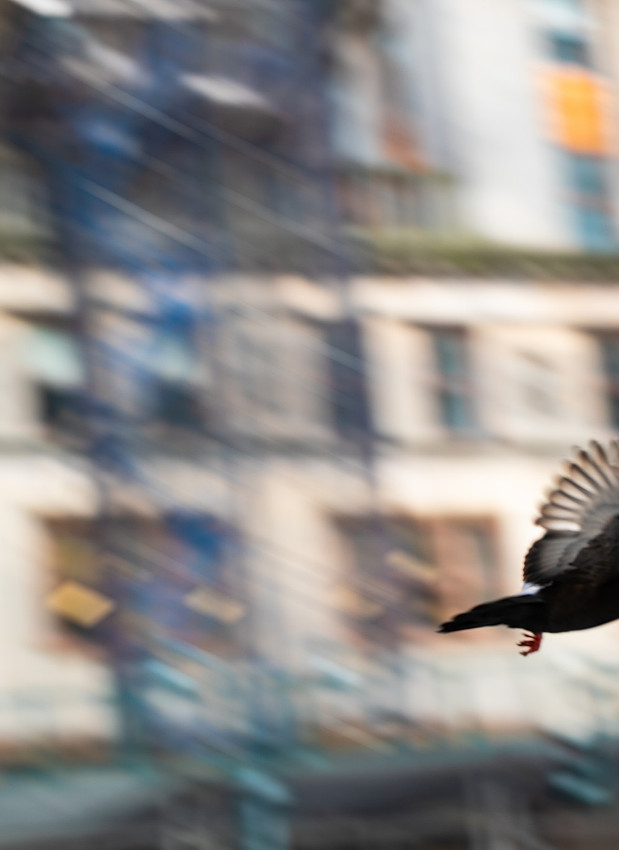 Many readers will want to "correct" this photo. Their instinct will tell them to straighten the lines, photograph the entire bird, change the DOF and increase the shutter speed to stop action. You are welcome to shoot that shot.
As I sat outside of Grand Central Station, I shared this moment with a pigeon. A fleeting moment. Next pigeon that came along, I was set up to shoot this. A city impressionistic photograph of that fleeting moment.
It doesn't have to work for you, but it evokes for me.
Next city shoot, I will take more of these just to see what they look like.
Take the time now to take a look at your photographs from a recent adventure. Did you take 20% safety shots/postcards? Did you take 20% problems or photos with an unknown outcomes? Or is it 95% your usual work?
Note: Your usual work may be amazing! But even amazing has room to grow.
The magic and growth come from the first and last 20%.
I shot this safety shot:
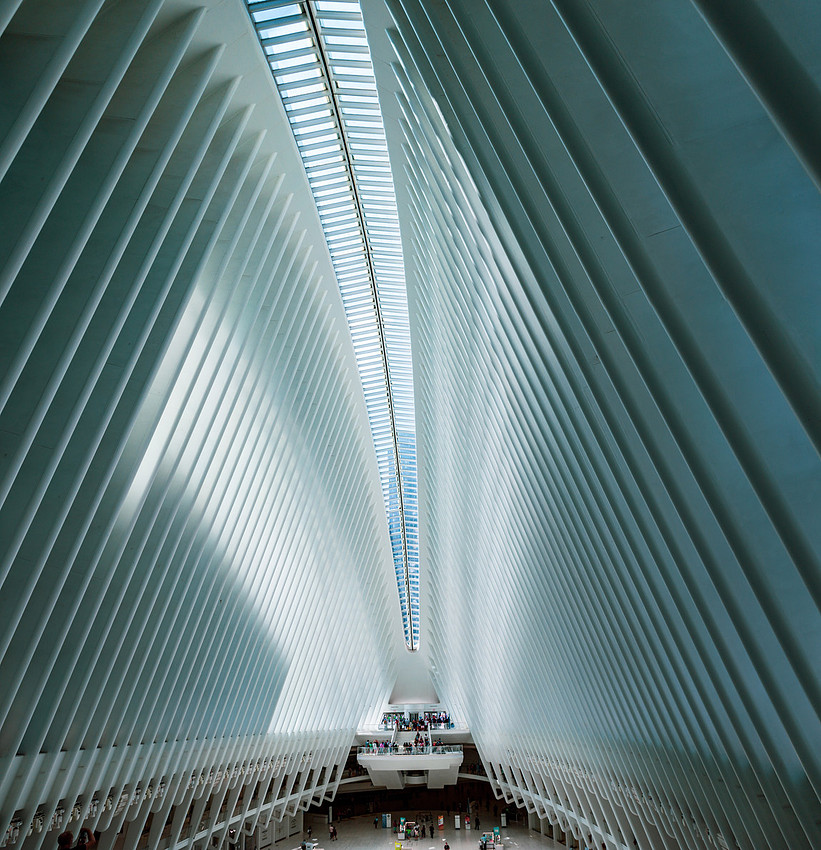 So in post, I could create this:
Contact me through the web-site if you want to get a personalized photo shoot review of your work. One-on-one, one hour via Zoom review with insights and recommendations. Discount cost is $75 when you mention the blog!